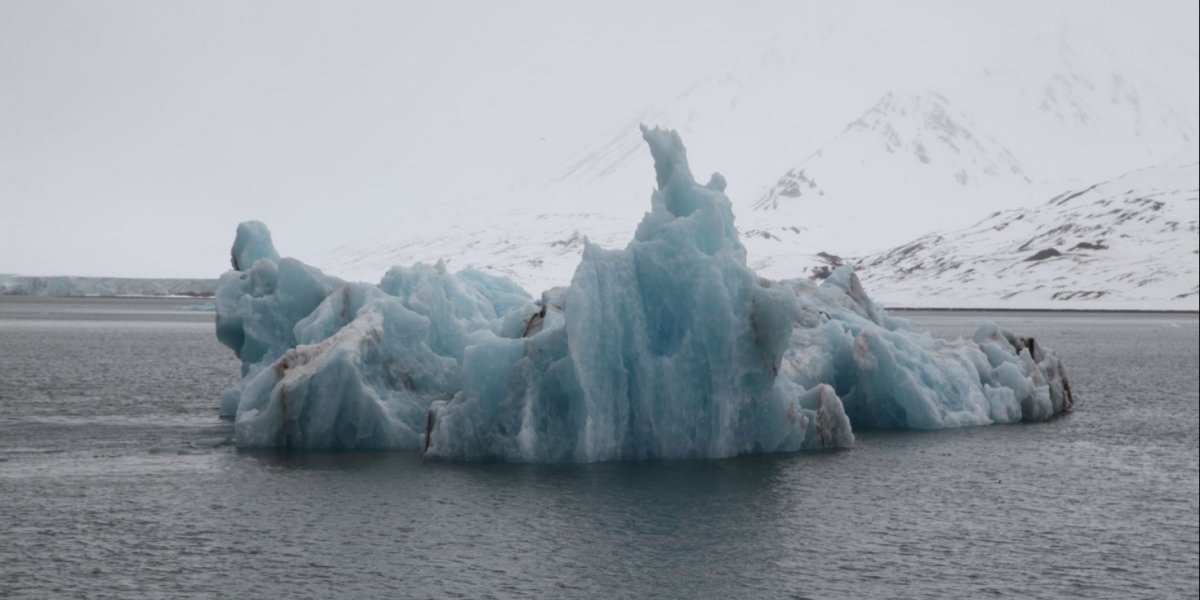
Photo: Monica Bjermeland, CICERO
The importance of European scientific leadership in polar climate change
This webinar offers insight into how continued European scientific leadership in polar climate change is crucial for advancing European preparedness, sustainability, and security goals. Join us with some of Europe’s leading experts on polar climate change, consequences and policy.
About
Completed: 27.11.2025
Webinar
Cicero
Polar regions are warming faster than the global average, and the Arctic and Antarctica are subject to growing geopolitical interest. Access to reliable scientific information is vital for ensuring stability. Join us for this online event on the importance of European scientific leadership in polar climate change.
With key results from the EU-funded CRiceS research project and a high-level panel discussion, the webinar will give insight into the impacts of polar climate change on nature, livelihoods, and health, on decision-making and policy and how the current development translates into global consequences.
With:
- Kalle Kankaanpää, Ambassador for Arctic Affairs, Finland
- Aili Keskitalo, policy advisor for Amnesty International and incoming member to the UN Permanent Forum on Indigenous Issues, former president of the Sami Parliament in Norway
- Larisa Lorinczi, EU policy officer, Healthy Ocean and Seas at DG RTD
- Peter Sköld, chair of European Polar Board
- Jennie Thomas, project coordinator of CRiceS and researcher at CNRS-IGE
Introduction by Risto Makkonen, research professor at Finnish Meteorological Institute and project coordinator of CriceS
Moderator: Alister Doyle, environmental correspondent and writer
The CRiceS project, funded by the European Union’s Horizon 2020 research and innovation programme, focuses on improving model predictions of the role of polar processes in the climate system that consists of the oceans, ice and snow cover, and the atmosphere.